When a pressure cleaner no longer cleans as expected, turning up a setting can seem like the obvious response. It is not a reliable way to find the problem. Low or uneven pressure is a symptom, and more than one fault can produce it.
At Jetblaster, we diagnose and repair pressure cleaners across all brands. A useful fault report helps start that conversation without asking you to dismantle the machine or guess which part has failed.
Separate low pressure from pressure that fluctuates
Think about the pattern you noticed before stopping the machine. Was the pressure weak from the beginning, or did it drop after a period of normal operation? Was it consistently low, or did it pulse?
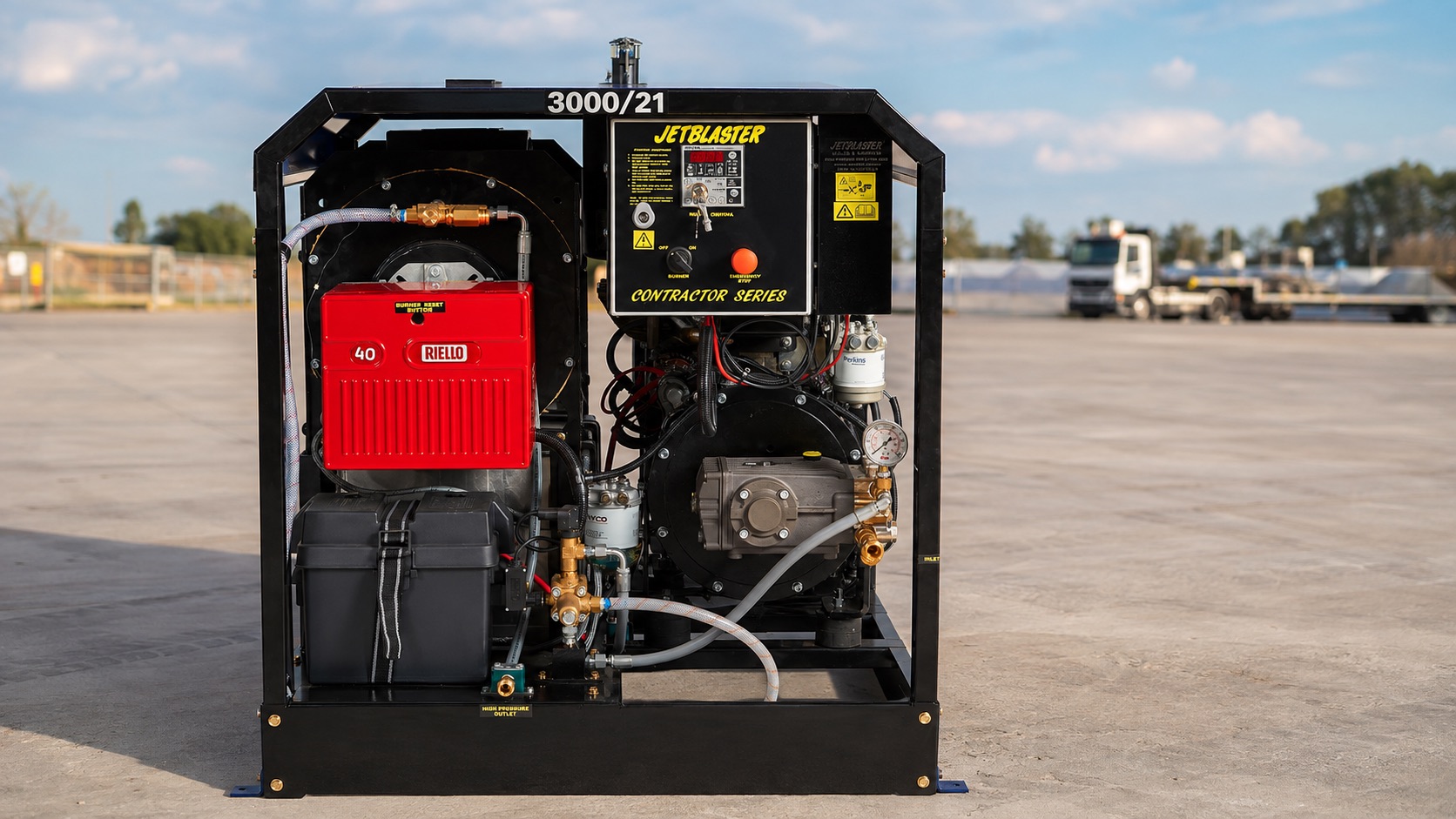
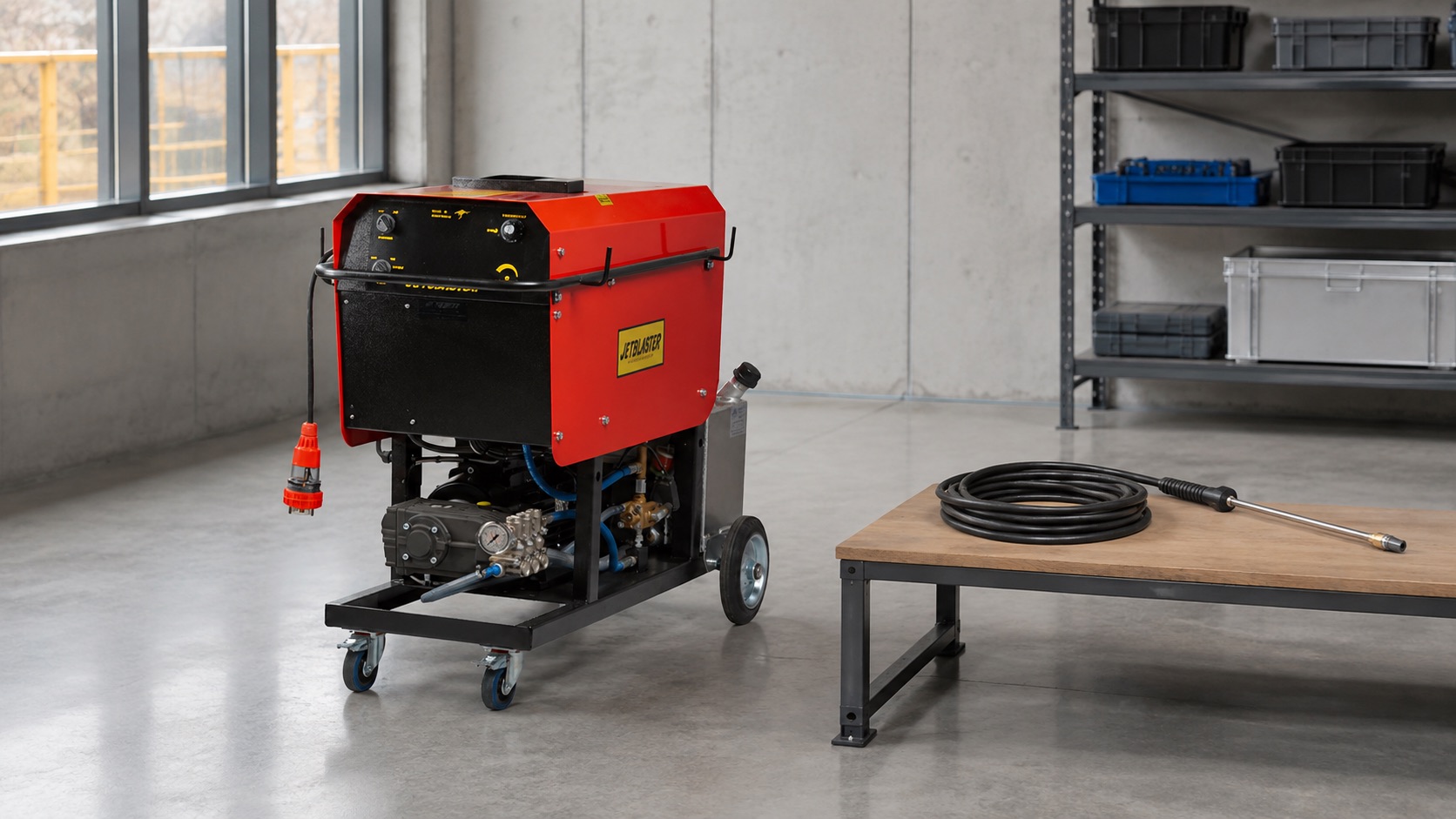
Our Universal hot-water pressure cleaner manual lists different possible causes under these fault patterns. They include nozzle wear, air entering the system and worn or sticking internal components. The important point is that the same broad complaint can have several explanations.
Those examples are not a diagnosis for every pressure cleaner. Your model and its condition still need to be considered.
Tell us about the water supply and accessories
A change in the setup is useful context. Let us know if you have moved the cleaner to another tap or supply, changed the inlet hose, or fitted a different gun, lance or nozzle.
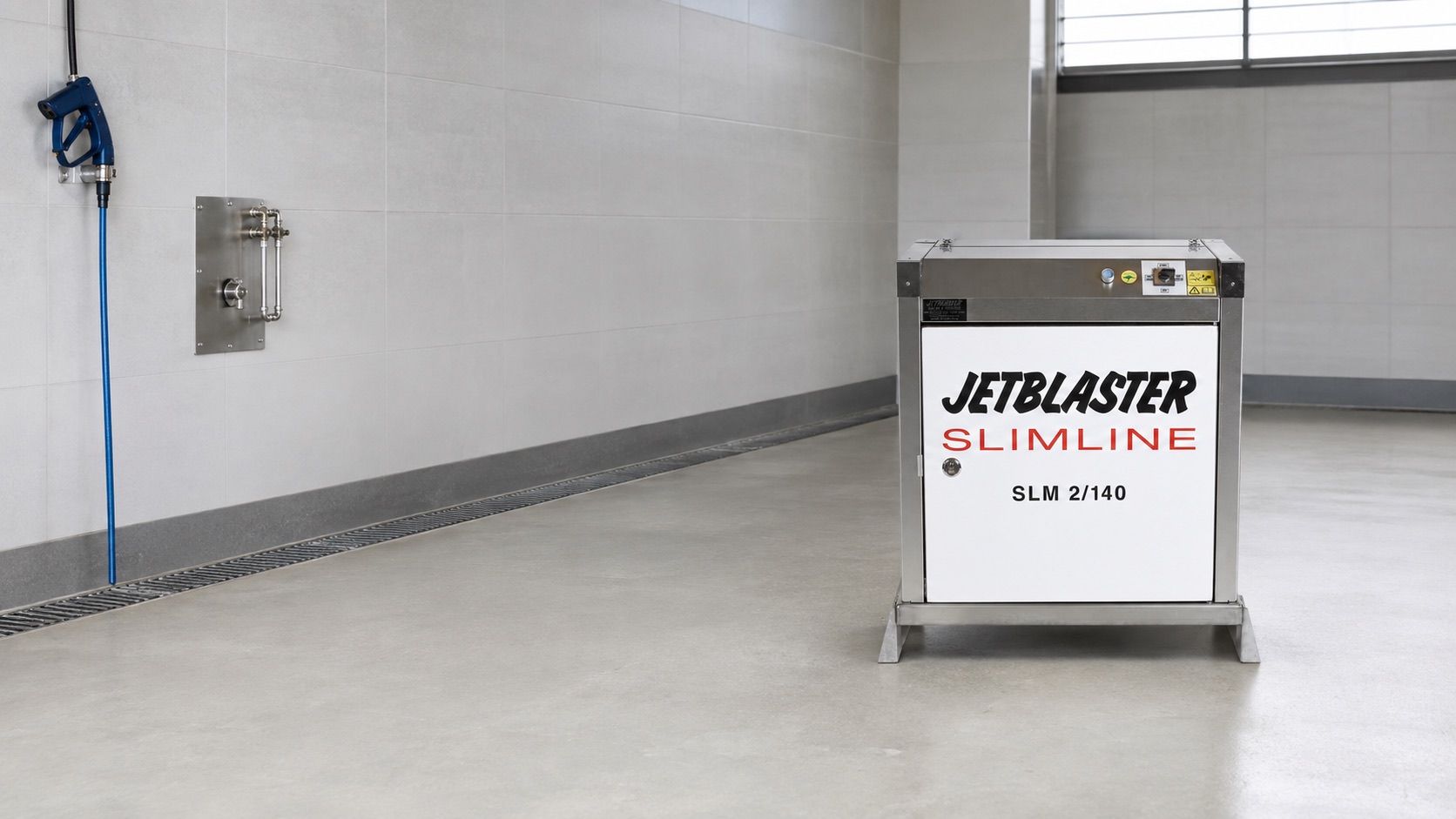
Have the accessory details available if you know them. Our Slimline manual specifically identifies incorrect or worn nozzles as a possible performance issue. That does not mean a new nozzle will solve every pressure problem, but it is a reason to include accessories in the discussion.
Use the water-supply requirements in your own manual. Requirements published for one model should not be applied automatically to another.
Keep heating and pressure symptoms distinct
For a hot-water cleaner, explain whether the water is failing to heat, the pressure has changed, or both. “It is not cleaning properly” leaves those different symptoms bundled together.
If the fault appeared only when you selected hot-water operation, report that observation. Do not remove covers or test burner or electrical components yourself. The technician needs the operating history, not a home repair attempt.
Avoid adjusting your way around the problem
Do not increase pressure or alter internal controls to compensate for weak performance. Our Slimline manual states that its pressure is factory set and the unloader should not be adjusted by the operator.
Follow the shutdown procedure for your machine, and seek advice about leaks or damaged components before using it again. Never disconnect a hose or fitting while the system is pressurised.
You do not need to restart an unsafe machine to gather extra details. Explain what you have already observed and ask us what information would be helpful next.
Make the service enquiry specific
A concise enquiry can include the brand and model, the pressure pattern you observed, when the fault began, recent setup changes and any visible leaks or damage. Add the service history if available.
We can then discuss the next step for assessing your pressure cleaner. Contact our team for help with pressure loss, uneven performance or other repair concerns—without committing to a replacement part before the cause has been established.